


As temperatures rise and the sun starts beating down, having a reliable air conditioning system can mean the difference between comfort and chaos. While many homeowners only think about their units once summer is already in full swing, preparing your system ahead of time can save you from unexpected breakdowns, high energy bills, and poor performance. Whether you have a split system or a ducted setup, making a few proactive checks now will ensure you’re ready for the heat. In this guide, we walk you through how to prepare your air conditioner for summer, highlighting the importance of regular air conditioning maintenance and the value of professional servicing in Tweed Heads.
One of the simplest yet most impactful things you can do is check your air filters. These often-forgotten components are vital to keeping your system running smoothly. Dirty or clogged filters restrict airflow, reduce cooling efficiency, and can circulate dust and allergens throughout your home.
Here’s how clean filters contribute to better system performance:
Be sure to inspect your filters monthly during peak use and clean or replace them at least every three months.
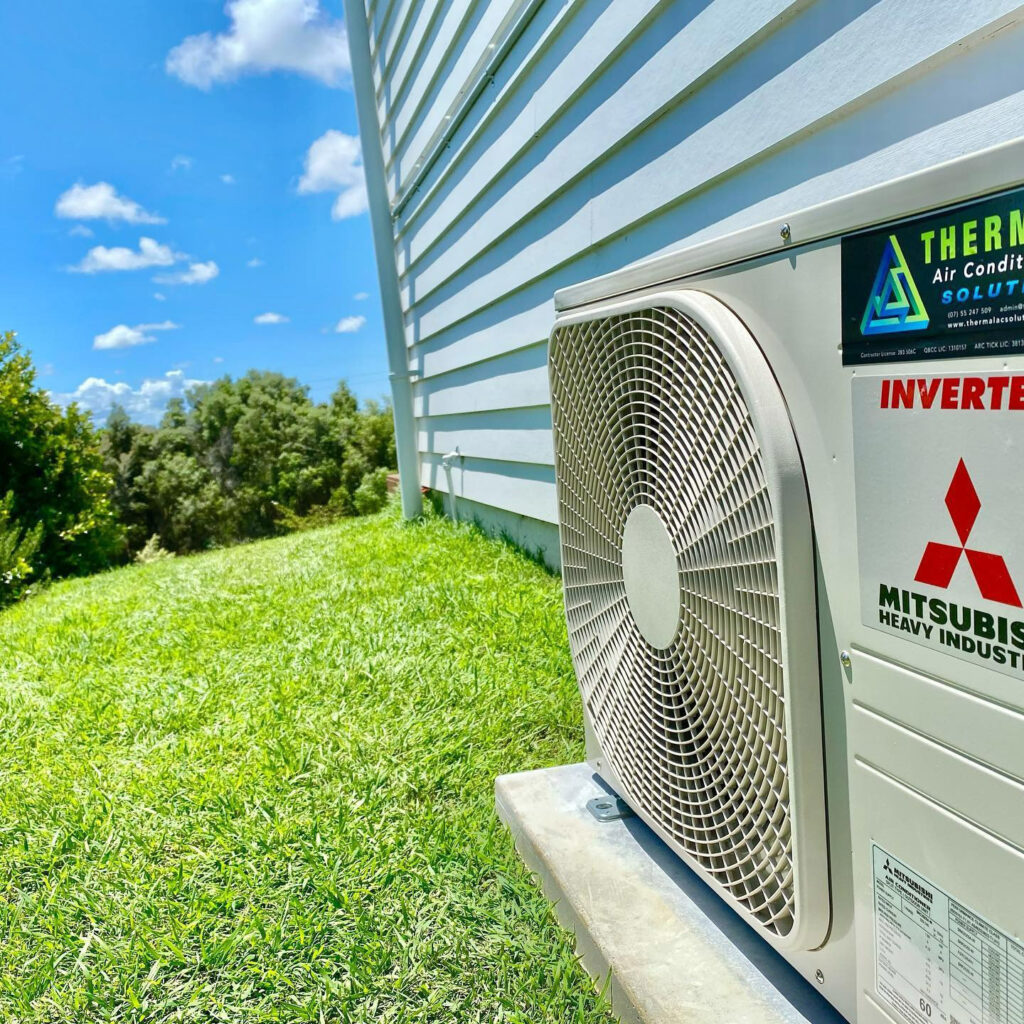
Your outdoor unit works hard to release heat from your home, and anything that obstructs its airflow can drastically reduce efficiency. A quick inspection of the space around it can reveal common issues that may be easily resolved.
When clearing around your outdoor system, make sure to:
Maintaining a clean and clear space around your unit helps your air conditioning system in Tweed Heads operate without obstruction and avoid overheating during hot days.
Each type of cooling system requires specific attention. Split systems and ducted air conditioners both benefit from seasonal preparation, though their components differ in size, structure, and maintenance requirements.
Here’s how to approach system-specific checks:
A system-specific approach ensures that your summer air conditioning maintenance is as thorough as it is effective.
The refrigerant in your system is the substance responsible for absorbing and releasing heat. When levels are low, either due to a leak or improper charging, your system will struggle to cool your home efficiently.
Refrigerant issues may reveal themselves in the following ways:
A licensed technician can check for leaks, recharge refrigerant to the correct level, and ensure your air conditioning in Tweed Heads performs at its best when demand is high.
For those with ducted units, the ductwork serves as the highway for cool air. If it’s compromised, your system will struggle to distribute air effectively across your home, leading to hot spots and inefficiencies.
When reviewing your ductwork, consider the following:
An efficient duct system supports a reliable air conditioning checklist and guarantees comfort throughout your entire home.
Your unit’s coils and fins play an essential role in transferring heat and regulating the cooling process. Over time, dust and grime can accumulate, reducing performance and raising your electricity bill.
Here’s why this step should not be overlooked:
A technician can clean coils and clear drains as part of routine summer air conditioning maintenance, restoring your system’s full cooling potential.
Once your system is clean and components are inspected, it’s time to switch it on and observe how it performs. This operational test helps you identify subtle issues that could become major problems if left unchecked.
As part of your testing routine, be sure to:
Testing your unit’s functionality early ensures your air conditioning system in Tweed Heads is working efficiently before the heat becomes relentless.
While a DIY inspection covers the basics, professional servicing takes it further. A technician brings the tools, knowledge, and experience to spot problems you might overlook and perform essential tune-ups.
Professional air conditioning tips for ongoing performance include:
Having expert support ensures that your system delivers comfort reliably, even through the most intense summer spells.
At Thermal Air Conditioning Solutions, we specialise in keeping homes cool and comfortable with professional air conditioning in Tweed Heads. Whether you’re preparing a split system or maintaining a ducted setup, our team provides tailored servicing, inspections, and maintenance to ensure everything runs at peak performance. Don’t wait for the first heatwave to discover a fault. Contact us to book a pre-summer service, explore maintenance plans, or get expert advice from our local team. Let us help you stay cool, calm and comfortable all season long.
 07 5524 7509