


Have you ever wondered how your air conditioner seems to “know” when to switch on and off to keep your home comfortable? The answer lies in the thermostat — a small but powerful device that plays a key role in home climate control. For homeowners, property managers, and business owners in Byron Bay, understanding how thermostats work with air conditioning systems can help support comfort, energy savings, and system longevity.
In this blog, we’ll explore the relationship between thermostats and air conditioners, break down how they communicate, and explain how smart thermostat technology in Australia is changing the way we cool our homes.
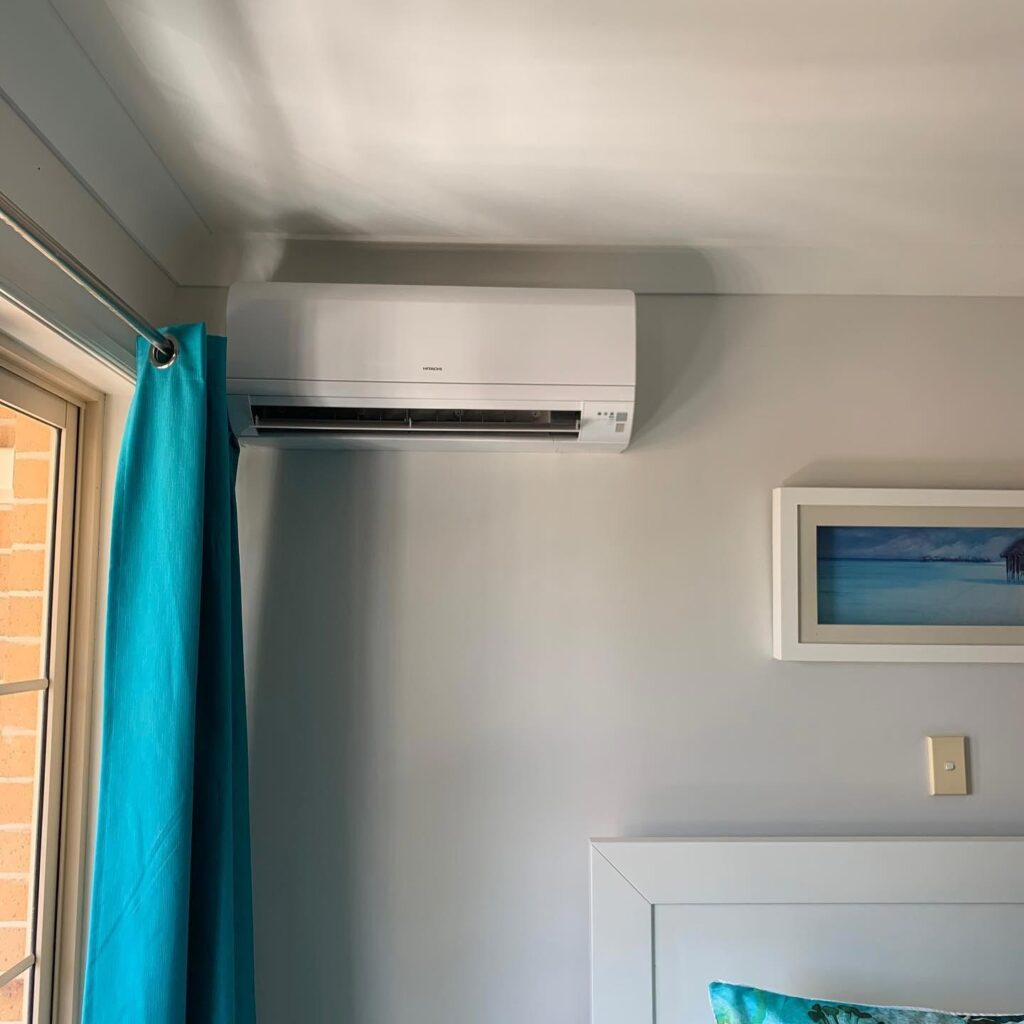
A thermostat is a control device that monitors room temperature and signals your air conditioning system to either cool or stop cooling. It works by constantly checking the indoor air temperature against a set temperature — also called the “setpoint” — and activates the AC unit accordingly.
For example, if you set your thermostat to 24°C and the indoor temperature rises to 26°C, the thermostat will signal the air conditioner to turn on. Once the room cools back down to the desired 24°C, it sends another signal to turn the unit off.
At the core of this communication is a feedback loop. Thermostats are connected to the air conditioner through wiring or wireless signals (in the case of smart thermostats). These signals relay temperature data and instructions that control system operation.
When cooling is needed, the thermostat sends a command to the AC’s compressor and fan to begin circulating cooled air. When the setpoint is reached, it triggers a shutdown to maintain the desired comfort level and avoid energy waste. This process repeats as temperatures fluctuate throughout the day.
Thermostats come in various types, each offering different levels of control and automation.
These basic models require you to manually adjust the temperature. While simple to use, they offer little in terms of energy management or scheduling. They’re often found in older homes or rental properties.
Programmable thermostats allow users to schedule temperature settings based on the time of day or day of the week. For instance, you can set the AC to cool the house before you return from work. This provides more control and helps reduce unnecessary energy use.
Smart thermostats are an advanced option that use Wi-Fi to connect to your smartphone or smart home system. These devices offer adaptive learning, remote control, and energy usage reports. Many smart thermostats in Australia are also compatible with popular voice assistants and can be managed via apps, making home climate control easier and more intuitive.
Even the most advanced air conditioning thermostat won’t function properly if it’s placed in the wrong spot. Thermostats should be installed:
Poor placement can result in short cycling, inconsistent temperatures, or increased energy bills due to inaccurate readings.
Connecting your air conditioner to a reliable thermostat offers more than just temperature control. It helps create a balanced indoor environment that suits your comfort needs and lifestyle.
By maintaining the set temperature and avoiding excessive cooling, thermostats reduce unnecessary energy consumption. Programmable and smart models take this a step further with features like learning schedules, occupancy sensing, and adaptive settings.
A thermostat constantly monitors and adjusts your AC system to keep temperatures consistent. This prevents hot or cold spots and reduces the need for manual intervention.
Frequent switching on and off can wear down air conditioning components. Thermostats help regulate system cycling to promote longer equipment life.
Smart thermostats allow you to manage your air conditioning remotely. Whether you’re on holiday or just at work, you can adjust temperature settings using your smartphone — offering both convenience and peace of mind.
Although smart and programmable thermostats may have higher upfront costs, they can help lower your energy bills in the long run by optimising system usage.
Setting your thermostat correctly can have a direct impact on comfort and energy use.
Understanding these settings helps maintain comfort without unnecessary system strain or rising bills.
For homes and businesses with zoned air conditioning systems, thermostats can be installed in each zone for independent control. This allows users to cool only the areas that are in use, reducing overall energy use and enhancing comfort across multi-room spaces.
For example, you may want the kitchen and living area cooler during the day, while bedrooms stay warmer. Zoned climate control, guided by multiple thermostats, makes this possible without overworking the system.
It may be time to upgrade your thermostat if:
Upgrading to a programmable or smart thermostat is a simple yet impactful step towards more efficient and comfortable cooling.
A licensed installer can:
Professional installation helps avoid common setup errors and gives you confidence that your system is working as intended.
At Thermal Air Conditioning Solutions, we offer tailored advice and professional installation to help you get the most out of your air conditioning system — including selecting and setting up the right thermostat. Contact us today to learn more about smart home climate control and how we can support your comfort goals.
 07 5524 7509